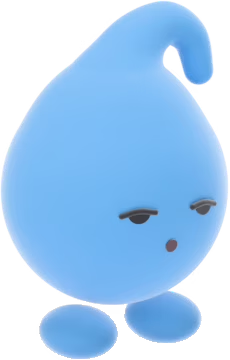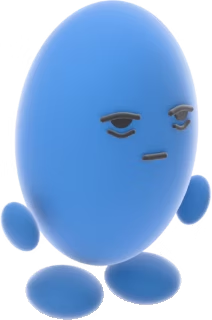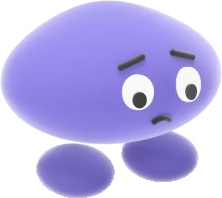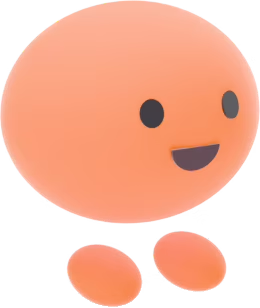
Sad, in short
Feeling sad means feeling heavy and down because of a loss or something that hurt. What helps: letting it be there instead of hiding it, putting it into words, and reaching out to someone, even a little.
Someone left, something ended, or a person said something that stung. Sadness is the heavy, slowed-down feeling that can follow.
Feelbits’ line for Sad is “heavy and down because of a loss or something that hurt”. Most of what’s below comes from the studies I read for the app’s Learn lessons.
What sadness is for
Researchers who study why we have feelings see each one as a response to a kind of situation, with a job to do. Sadness slows you down after a loss (Keltner and Gross, 1999; Levenson, 1999).
So feeling sad after a loss isn’t a sign you’re getting something wrong. It’s the feeling doing its job.
How sadness feels in your body
A team in Finland asked 701 people to colour in, on blank outlines of a body, where they felt a feeling get stronger or weaker. For sadness, people marked weaker activity in the arms and legs, which the researchers call a defining feature of sadness (Nummenmaa and colleagues, 2014). The maps lined up across Finnish, Swedish and Taiwanese speakers, and a later study of 3,954 people from 101 countries found the same match across cultures (Volynets and colleagues, 2020).
In another study, 185 adults coloured where a feeling made their body feel heavier or lighter. Sadness felt heavy, most of all in the chest (Hartmann and colleagues, 2023). These maps show where people say they feel it, not what a machine measured.
Sad, lonely or disappointed?
“Sad” often stands in for several feelings. Set side by side:
- Sad: heavy and down because of a loss or something that hurt.
- Lonely: wishing for closeness or company you do not have.
- Disappointed: let down when something did not turn out as hoped.
- Tired: low on energy and in need of rest.
- Meh: flat and indifferent, neither good nor bad.
Lonely is about people who aren’t there. Disappointed is about a hope that didn’t work out. Sad is heavier, about a loss or something that hurt. Tired is about energy, and meh is flat rather than heavy.
It’s worth telling them apart. In a three-week study of 106 young social drinkers, on days when bad feelings ran high, the ones who told those feelings apart drank less (Kashdan and colleagues, 2010). It isn’t about knowing rare words. It’s about not using one word for everything.
If the low feeling hangs around for days without a clear cause, it may be closer to a mood than a feeling. Moods are longer and lower, and often have no clear cause (Gross, 2015).
Can you be happy and sad at the same time?
Yes, and it’s normal, especially at big moments and endings. On graduation day at the University of Chicago, about half of students felt happy and sad at the same time, compared with 1 in 5 on an ordinary day (Larsen, McGraw and Cacioppo, 2001).
What can make sadness easier to carry
Sadness doesn’t always need fixing. These are for carrying it, not chasing it away:
Let it be there
In one study, women watched sad and funny films, and some had to hide their feelings. Hiding didn’t make the sad film less sad. It did make the funny film less fun (Gross and Levenson, 1997). Letting feelings be without judging them goes with feeling less upset when stress hits (Ford and colleagues, 2018).
Name it
Even one word helps. Naming a feeling lowers the brain’s alarm a little (Lieberman and colleagues, 2007), and saying it, writing it or picking it from a list all count.
Reach out, even a little
If the sadness is closer to lonely, a small contact can go better than you expect. In one study, commuters who talked to a stranger had a more positive ride than those who kept to themselves, though other commuters predicted the opposite. We tend to underestimate how keen others are to talk (Epley and Schroeder, 2014).
Small lifts
Small, ordinary things can lift an ordinary day a little. Time in nature went with feeling better (White and colleagues, 2019), and so did walks spent looking for awe (Sturm and colleagues, 2022). Each lift is modest, and that’s fine.
Gentle questions to write when you’re sad
There are no right answers, and it’s fine to stop whenever you like.
Notice
- What happened, in a sentence or two?
- Where do you feel the sadness right now?
- Is it sadness, or closer to lonely, disappointed or tired?
- What do you need most this minute: rest, company, quiet, something else?
Understand
- What did you lose, or what hurt?
- What does this sadness say about what matters to you?
- Is anything else mixed in with it, like love, relief or anger?
- Is this feeling new today, or has it been around for a while?
- Have you been hiding it from anyone, and how is that going?
Act
- What’s one gentle thing you could do for yourself today?
- Who could you tell, even with a short message?
- What small thing has lifted a hard day a little before, like a walk outside?
- What would you say to a friend who felt this way?
- What can wait until you feel a bit steadier?
Sad in Feelbits
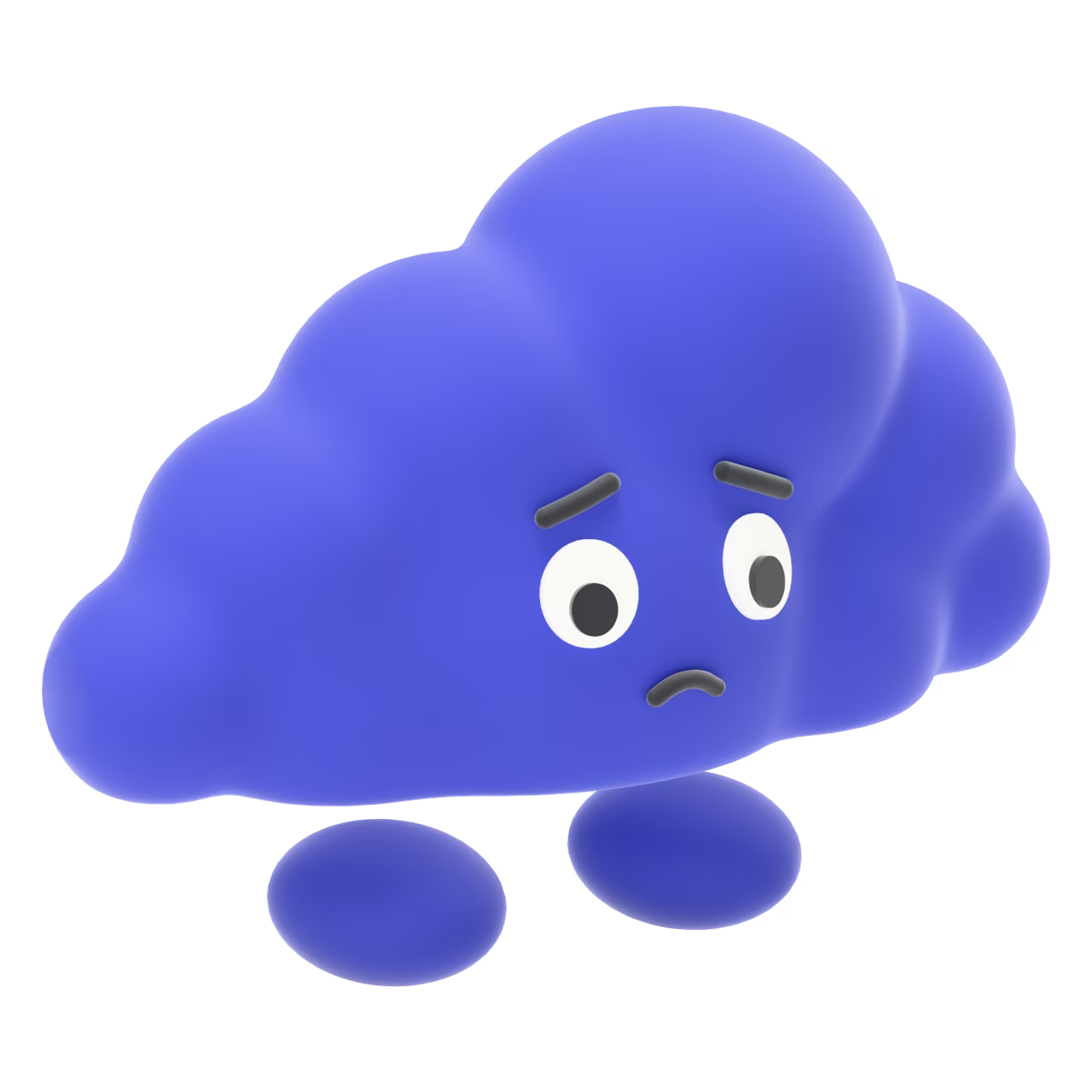
On a heavy day, the check-in stays small: turn the dial in Feelbits, tap Sad, and a little Sad Feelbit joins your village. If you feel two things at once, pick the loudest and write the other in the journal line. The Learn path How feelings work goes deeper into most of this, one short lesson at a time.
When it’s more than everyday sadness
If sadness gets in the way of daily life most days for a couple of weeks, it’s worth talking to a doctor or therapist.
Journal prompts for when you feel sad Words to describe feeling sad Lonely at night: why it hits harder after dark Lonely during the holidays: why it hits harder Sad for no reason: why it happens and what helps Post-holiday blues: why coming back feels flat Winter blues: why you feel down when days get short What to say to someone who is sad
Sad, or something close?
Guides for when you feel sad
Not sure which word fits? Try the feeling word finder.
Sources
- Keltner, D., & Gross, J. J. (1999). Functional accounts of emotions. Cognition & Emotion, 13(5), 467–480. doi.org/10.1080/026999399379140
- Levenson, R. W. (1999). The intrapersonal functions of emotion. Cognition & Emotion, 13(5), 481–504. doi.org/10.1080/026999399379159
- Nummenmaa, L., Glerean, E., Hari, R., & Hietanen, J. K. (2014). Bodily maps of emotions. Proceedings of the National Academy of Sciences, 111(2), 646–651. doi.org/10.1073/pnas.1321664111
- Volynets, S., Glerean, E., Hietanen, J. K., Hari, R., & Nummenmaa, L. (2020). Bodily maps of emotions are culturally universal. Emotion, 20(7), 1127–1136. doi.org/10.1037/emo0000624
- Hartmann, M., Lenggenhager, B., & Stocker, K. (2023). Happiness feels light and sadness feels heavy: Introducing valence-related bodily sensation maps of emotions. Psychological Research, 87(1), 59–83. doi.org/10.1007/s00426-022-01661-3
- Kashdan, T. B., Ferssizidis, P., Collins, R. L., & Muraven, M. (2010). Emotion differentiation as resilience against excessive alcohol use: An ecological momentary assessment in underage social drinkers. Psychological Science, 21(9), 1341–1347. doi.org/10.1177/0956797610379863
- Gross, J. J. (2015). Emotion regulation: Current status and future prospects. Psychological Inquiry, 26(1), 1–26. doi.org/10.1080/1047840x.2014.940781
- Larsen, J. T., McGraw, A. P., & Cacioppo, J. T. (2001). Can people feel happy and sad at the same time? Journal of Personality and Social Psychology, 81(4), 684–696. doi.org/10.1037/0022-3514.81.4.684
- Gross, J. J., & Levenson, R. W. (1997). Hiding feelings: The acute effects of inhibiting negative and positive emotion. Journal of Abnormal Psychology, 106(1), 95–103. doi.org/10.1037/0021-843x.106.1.95
- Ford, B. Q., Lam, P., John, O. P., & Mauss, I. B. (2018). The psychological health benefits of accepting negative emotions and thoughts: Laboratory, diary, and longitudinal evidence. Journal of Personality and Social Psychology, 115(6), 1075–1092. doi.org/10.1037/pspp0000157
- Lieberman, M. D., et al. (2007). Putting feelings into words. Psychological Science, 18(5), 421–428. doi.org/10.1111/j.1467-9280.2007.01916.x
- Epley, N., & Schroeder, J. (2014). Mistakenly seeking solitude. Journal of Experimental Psychology: General, 143(5), 1980–1999. doi.org/10.1037/a0037323
- White, M. P., Alcock, I., Grellier, J., Wheeler, B. W., Hartig, T., Warber, S. L., Bone, A., Depledge, M. H., & Fleming, L. E. (2019). Spending at least 120 minutes a week in nature is associated with good health and wellbeing. Scientific Reports, 9, 7730. doi.org/10.1038/s41598-019-44097-3
- Sturm, V. E., Datta, S., Roy, A. R. K., Sible, I. J., Kosik, E. L., Veziris, C. R., Chow, T. E., Morris, N. A., Neuhaus, J., Kramer, J. H., Miller, B. L., Holley, S. R., & Keltner, D. (2022). Big smile, small self: Awe walks promote prosocial positive emotions in older adults. Emotion, 22(5), 1044–1058. doi.org/10.1037/emo0000876