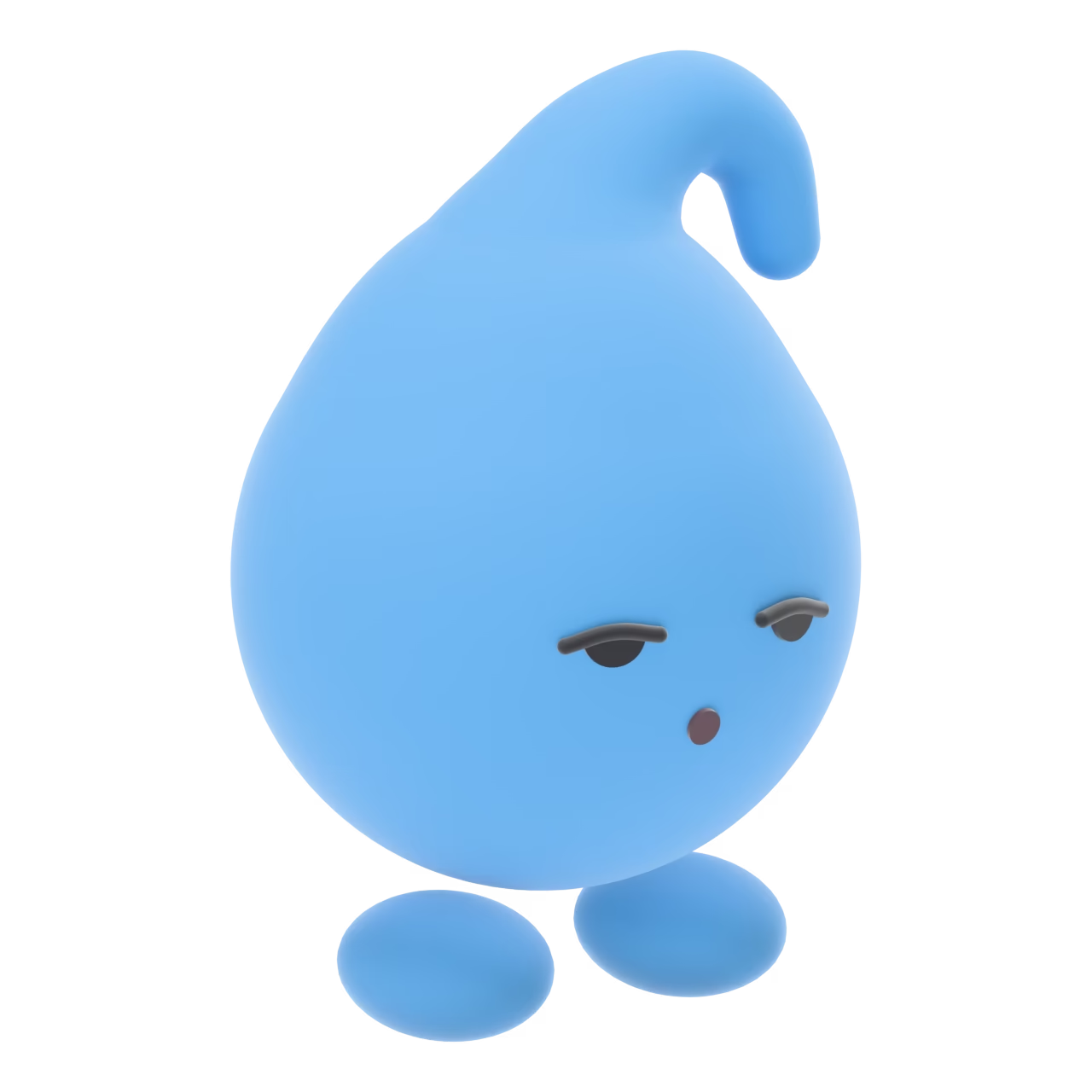
Tired, in short
Feeling tired means being low on energy and in need of rest. What helps: keeping steady sleep times, skipping a lot of caffeine for at least six hours before bed, and a short walk or a short nap.
The battery is low, and something in you is asking for a pause, a nap or an early night.
Low on energy and in need of rest: that’s the one-line meaning Feelbits gives Tired. It’s an ordinary feeling, and still worth listening to.
Sleepy tired or worn-out tired?
“Tired” covers more than one thing. Sleep researchers see sleepiness and fatigue as related but different, and point out that people often lump both together under the everyday word “tired” (Shen and colleagues, 2006).
So which kind is it? Do you want to sleep, or are you awake with just nothing left to give?
Why tiredness shows up
“It’s normal to feel tired sometimes,” as the NHS puts it. Its common causes include not enough sleep, stress, life challenges like a new baby, an unhealthy lifestyle, hormone changes, and some illnesses and medicines (NHS, 2023).
How much sleep is enough? A panel of sleep experts recommends that adults sleep 7 or more hours a night on a regular basis, and found that regularly sleeping less is linked to poorer health (Watson and colleagues, 2015).
Tired changes how the rest feels
Short sleep doesn’t only make you yawn. A review of more than 50 years of sleep experiments, 154 studies with 5,717 people, found that staying up all night, short nights and broken sleep all led to fewer good feelings and more anxiety (Palmer and colleagues, 2024). In another study, people who cut their sleep for two nights got angrier at an irritating noise (Krizan and Hisler, 2019).
So if a day feels greyer and shorter-fused than usual, tired may be part of the story.
Tired, bored or meh?
Low energy, low interest, flat, at ease or fully drained? In Feelbits’ words:
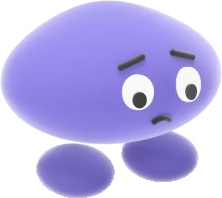
- Tired: low on energy and in need of rest.
- Bored: nothing feels interesting or engaging right now.
- Meh: flat and indifferent, neither good nor bad.
- Relaxed: loose and at ease in body and mind.
- Exhausted: completely drained, with nothing left in the tank.
Tired is about energy. Bored is about interest: you could have plenty of energy and nothing worth spending it on. Meh is flat, neither good nor bad. Relaxed is about ease, not running low. And if you feel completely drained and rest doesn’t seem to touch it, that’s closer to Exhausted.
What helps when you’re running low
Keep your nights steady
The NHS’s tips for tiredness include sticking to the same sleep times, a sleeping area that isn’t too bright, noisy or warm, and no phones or screens in the hour before sleep (NHS, 2023).
Mind the afternoon coffee
In one study, a moderate dose of caffeine (400 mg) disturbed sleep even when taken 6 hours before bed, so the researchers back the advice to skip a lot of caffeine for at least 6 hours before bedtime (Drake and colleagues, 2013).
Try a short nap
A review of nap research found that naps can make you less sleepy and help you do better on thinking tasks. Brief naps of 5 to 15 minutes help almost straight away, for an hour to three. Naps over 30 minutes can leave you groggy for a little while, then help for longer. Your body clock plays a part too: early afternoon looked like the best time. The authors add that all this should be taken with some caution until more research is in (Lovato and Lack, 2010).
One catch: if it’s your nights that need help, the NHS’s tips for sleeping well include avoiding naps in the day (NHS, 2023).
Move a little
The NHS says even a single 15-minute walk can give you an energy boost (NHS, 2023). A pooled analysis of exercise studies found that regular exercise went with more energy and less fatigue than in control groups, though studies that compared exercise alone with a placebo found no effect (Puetz, O’Connor and Dishman, 2006).
Journal prompts for feeling tired
A few questions for a tired day. Pick one or two, and a single line is plenty.
Notice
- Is this sleepy tired, or awake with nothing left to give?
- Where do you feel the tiredness right now: eyes, head, shoulders, legs?
- How did you sleep last night, and the few nights before?
- What time is it, and is this when tiredness usually shows up for you?
- Is the tiredness making something else louder, like irritation or worry?
Understand
- What has used up your energy today?
- Was there a coffee late in the day, or a screen in bed last night?
- Is your body asking for sleep, or is your mind asking for a break from something?
- When did you last wake up feeling rested, and what was different then?
- Has tired been showing up most days lately, or just today?
Act
- What is one thing you could drop or move to tomorrow?
- Could a short nap or a 15-minute walk fit in somewhere today?
- What time would you need to go to bed tonight to get 7 hours?
- What would make your bedroom a little darker, quieter or cooler tonight?
- Who could take one thing off your plate this week?
Tired in Feelbits
Tired is one of the easiest check-ins in Feelbits: turn the dial, tap Tired, add a journal line if you like, and a little Tired Feelbit joins your village. Over a month, the quilt in Me shows each day as a soft mix of what you felt, so tired weeks are easy to spot. The Learn path Keep your cool has a short lesson on how hunger and short sleep can make anger come easier.
When it’s more than everyday tiredness
The NHS suggests seeing a GP if you’ve been feeling tired for a few weeks and you’re not sure why, if your tiredness affects your daily life, or if it comes with other symptoms, such as weight loss or mood changes (NHS, 2023). If you feel completely drained most of the time, the Exhausted page has more.
Words to describe feeling tired Post-holiday blues: why coming back feels flat Winter blues: why you feel down when days get short Guilty for resting: why it happens and what helps What to say to someone who is burnt out
Tired, or something close?
Guides for when you feel tired
Not sure which word fits? Try the feeling word finder.
Sources
- Shen, J., Barbera, J., & Shapiro, C. M. (2006). Distinguishing sleepiness and fatigue: Focus on definition and measurement. Sleep Medicine Reviews, 10(1), 63–76. doi.org/10.1016/j.smrv.2005.05.004
- NHS. (2023). Tiredness and fatigue. National Health Service. www.nhs.uk/symptoms/tiredness-and-fatigue/
- Watson, N. F., Badr, M. S., Belenky, G., Bliwise, D. L., Buxton, O. M., Buysse, D., Dinges, D. F., Gangwisch, J., Grandner, M. A., Kushida, C., Malhotra, R. K., Martin, J. L., Patel, S. R., Quan, S. F., & Tasali, E. (2015). Recommended amount of sleep for a healthy adult: A joint consensus statement of the American Academy of Sleep Medicine and Sleep Research Society. Journal of Clinical Sleep Medicine, 11(6), 591–592. doi.org/10.5664/jcsm.4758
- Palmer, C. A., Bower, J. L., Cho, K. W., Clementi, M. A., Lau, S., Oosterhoff, B., & Alfano, C. A. (2024). Sleep loss and emotion: A systematic review and meta-analysis of over 50 years of experimental research. Psychological Bulletin, 150(4), 440–463. doi.org/10.1037/bul0000410
- Krizan, Z., & Hisler, G. (2019). Sleepy anger: Restricted sleep amplifies angry feelings. Journal of Experimental Psychology: General, 148(7), 1239–1250. doi.org/10.1037/xge0000522
- Drake, C., Roehrs, T., Shambroom, J., & Roth, T. (2013). Caffeine effects on sleep taken 0, 3, or 6 hours before going to bed. Journal of Clinical Sleep Medicine, 9(11), 1195–1200. doi.org/10.5664/jcsm.3170
- Lovato, N., & Lack, L. (2010). The effects of napping on cognitive functioning. Progress in Brain Research, 185, 155–166. doi.org/10.1016/B978-0-444-53702-7.00009-9
- NHS. (2023). Self-help tips to fight tiredness. National Health Service. www.nhs.uk/live-well/sleep-and-tiredness/self-help-tips-to-fight-fatigue/
- Puetz, T. W., O'Connor, P. J., & Dishman, R. K. (2006). Effects of chronic exercise on feelings of energy and fatigue: A quantitative synthesis. Psychological Bulletin, 132(6), 866–876. doi.org/10.1037/0033-2909.132.6.866