Exhausted, in short
Feeling exhausted means being completely drained, with nothing left in the tank. What helps: steady sleep, making time for what relaxes you, and seeing a doctor if rest and sleep don’t fill the tank.
Not “I could use a nap”, but “I’ve got nothing left”.
Feelbits words it as completely drained, with nothing left in the tank. Tired is the everyday “I need a rest”. Exhausted runs deeper.
When rest doesn’t fill the tank
The NHS describes fatigue as an overwhelming tiredness that isn’t relieved by rest and sleep, and says that if that’s what you’re feeling, there may be an underlying medical condition, so it’s worth asking a GP (NHS, 2023).
Its list of common causes of tiredness and fatigue goes well beyond late nights: stress, depression, life challenges like a bereavement or looking after a new baby, hormone changes, and some illnesses and medicines (NHS, 2023). So exhausted isn’t only about how hard you’ve worked. Sometimes it’s the body, sometimes a heavy stretch of life.
Is it burnout?
If the exhaustion is about work, you may have heard the word burnout. The World Health Organization includes burn-out in its classification of diseases as an occupational phenomenon, and says it is not classified as a medical condition. It describes burn-out as resulting from chronic workplace stress that has not been successfully managed, with three parts (World Health Organization, 2019):
- “feelings of energy depletion or exhaustion”
- “increased mental distance from one’s job, or feelings of negativism or cynicism related to one’s job”
- “reduced professional efficacy”
The WHO also says the term is only about work, not other areas of life. Drained from caring for someone, or from a hard year? That still counts. It just isn’t what the WHO means by burn-out.
Exhausted, tired, stressed or overwhelmed?
Two are about what’s coming at you, two about what’s left in you:
- Exhausted: completely drained, with nothing left in the tank.
- Tired: low on energy and in need of rest.
- Stressed: under pressure, with too much being asked of you.
- Overwhelmed: so much is going on that it feels like too much to handle.
Stressed and overwhelmed are about what’s coming at you. Tired and exhausted are about what’s left in you. They can go together: stress is on the NHS’s list of causes of tiredness and fatigue. If the pressure is the loudest part, Stressed or Overwhelmed may fit better.
If the drained feeling hangs around for days, it may be closer to a mood than a feeling. Moods last longer and often have no clear cause (Gross, 2015).
Ways to refill the tank
Start with sleep
A panel of sleep experts recommends that adults sleep 7 or more hours a night on a regular basis (Watson and colleagues, 2015). Among the NHS’s tips for sleeping well: go to bed and get up at the same time every day, and take time to relax before bed (NHS, 2023).
Switch off after work
In a pooled analysis of 38,124 employees, people who switched off mentally from work in their free time tended to report less exhaustion, less fatigue and better sleep (Wendsche and Lohmann-Haislah, 2017). It’s a link, not proof of cause, but an evening that’s really yours may be worth guarding.
Make room for what relaxes you
“Stress uses up a lot of energy,” the NHS says, and suggests bringing relaxing things into your day, from music or reading to yoga or time with friends (NHS, 2023).
Talk to someone
There’s some evidence, the NHS says, that talking therapies such as counselling or cognitive behavioural therapy might help with fatigue, or with tiredness caused by stress, anxiety or low mood (NHS, 2023).
Journal prompts for feeling exhausted
When you’re running on empty, even writing can feel like a lot. One line is enough.
Notice
- Somewhere between “I could use a nap” and “I’ve got nothing left”, where are you right now?
- What does the exhaustion feel like in your body today?
- Has a night’s sleep made any difference lately?
- What have you had to set aside lately because you don’t have it in you?
- Is the drained feeling there on days off too, or mostly on work days?
Understand
- What has been asking the most of you these past weeks?
- Is this about work, caring for someone, a hard stretch of life, or something you can’t name yet?
- When did you last feel there was something left in the tank?
- What used to recharge you that has quietly dropped out of your days?
- Is it mostly exhaustion today, or is stress or overwhelm the louder part?
Act
- What is one thing you could say no to or hand over this week?
- How could you mark the end of the workday tonight, so the evening is yours?
- Which small thing relaxes you, and where could ten minutes of it fit today?
- What bedtime and wake-up time could you keep for the next few days?
- Who could you tell how drained you are: a friend, someone at work, your GP?
Exhausted in Feelbits
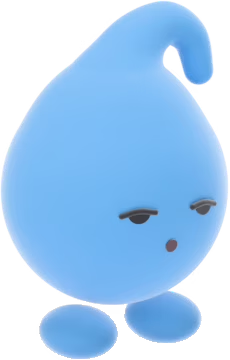
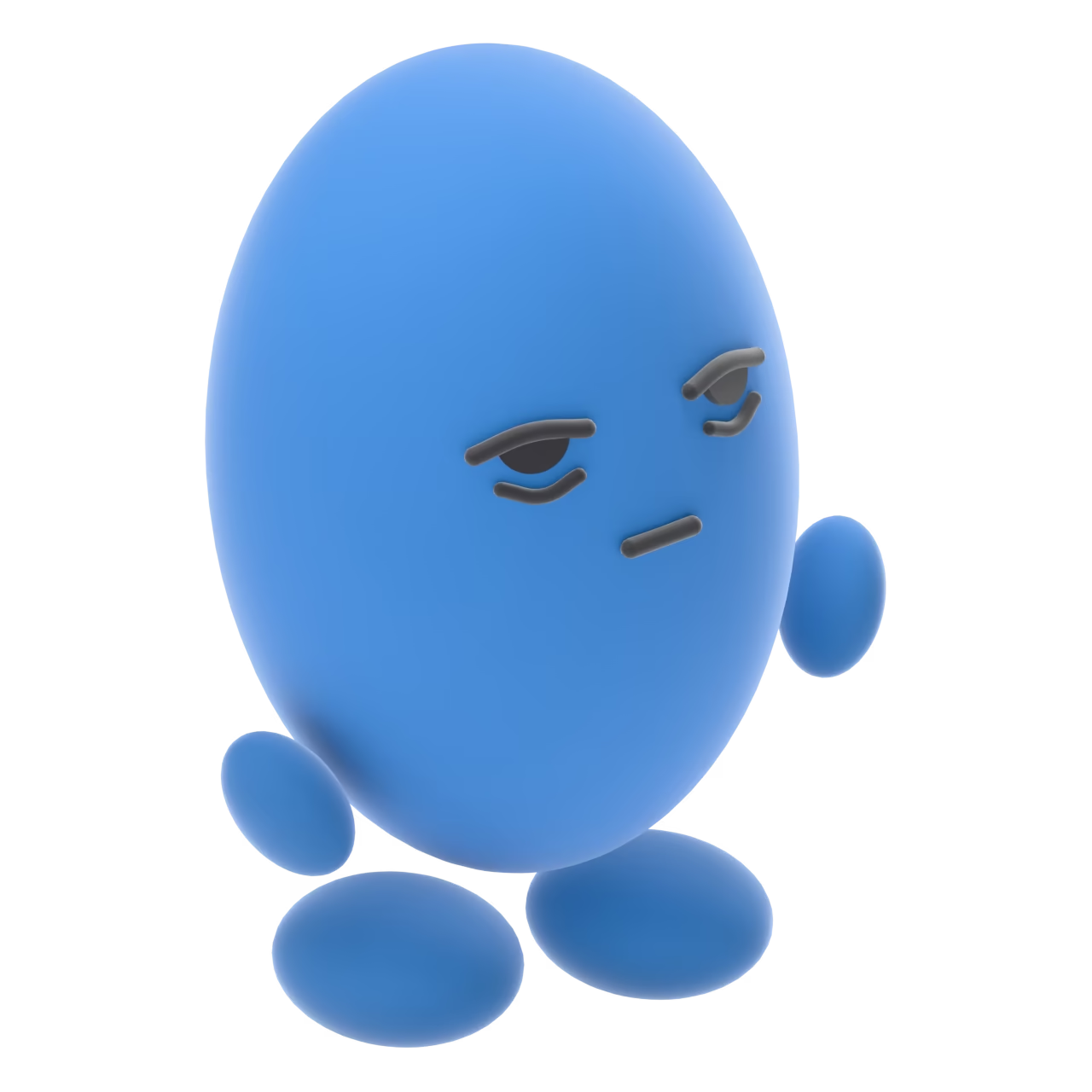
When you’ve got nothing left, a check-in in Feelbits asks very little: turn the dial, tap Exhausted, and a little Exhausted Feelbit joins your village. Even picking a word from a list puts the feeling into words, and in brain scans that quieted the alarm area a little (Lieberman and colleagues, 2007). Over a month, the quilt in Me shows each day as a soft mix of what you felt. How to track your mood has more on spotting patterns like that.
When it’s more than a long week
If the tiredness doesn’t go away with rest and sleep, it’s worth seeing a doctor (NHS, 2023). The NHS also suggests seeing a GP if you’ve felt tired for a few weeks and aren’t sure why, or if it affects your daily life (NHS, 2023).
Overwhelmed at work: what to do when it's too much What to say to someone who is burnt out
Exhausted, or something close?
Not sure which word fits? Try the feeling word finder.
Sources
- NHS. (2023). Self-help tips to fight tiredness. National Health Service. www.nhs.uk/live-well/sleep-and-tiredness/self-help-tips-to-fight-fatigue/
- NHS. (2023). Tiredness and fatigue. National Health Service. www.nhs.uk/symptoms/tiredness-and-fatigue/
- World Health Organization. (2019, May 28). Burn-out an "occupational phenomenon": International Classification of Diseases. www.who.int/news/item/28-05-2019-burn-out-an-occupational-phenomenon-international-classification-of-diseases
- Gross, J. J. (2015). Emotion regulation: Current status and future prospects. Psychological Inquiry, 26(1), 1–26. doi.org/10.1080/1047840x.2014.940781
- Watson, N. F., Badr, M. S., Belenky, G., Bliwise, D. L., Buxton, O. M., Buysse, D., Dinges, D. F., Gangwisch, J., Grandner, M. A., Kushida, C., Malhotra, R. K., Martin, J. L., Patel, S. R., Quan, S. F., & Tasali, E. (2015). Recommended amount of sleep for a healthy adult: A joint consensus statement of the American Academy of Sleep Medicine and Sleep Research Society. Journal of Clinical Sleep Medicine, 11(6), 591–592. doi.org/10.5664/jcsm.4758
- Wendsche, J., & Lohmann-Haislah, A. (2017). A meta-analysis on antecedents and outcomes of detachment from work. Frontiers in Psychology, 7, 2072. doi.org/10.3389/fpsyg.2016.02072
- Lieberman, M. D., et al. (2007). Putting feelings into words. Psychological Science, 18(5), 421–428. doi.org/10.1111/j.1467-9280.2007.01916.x